
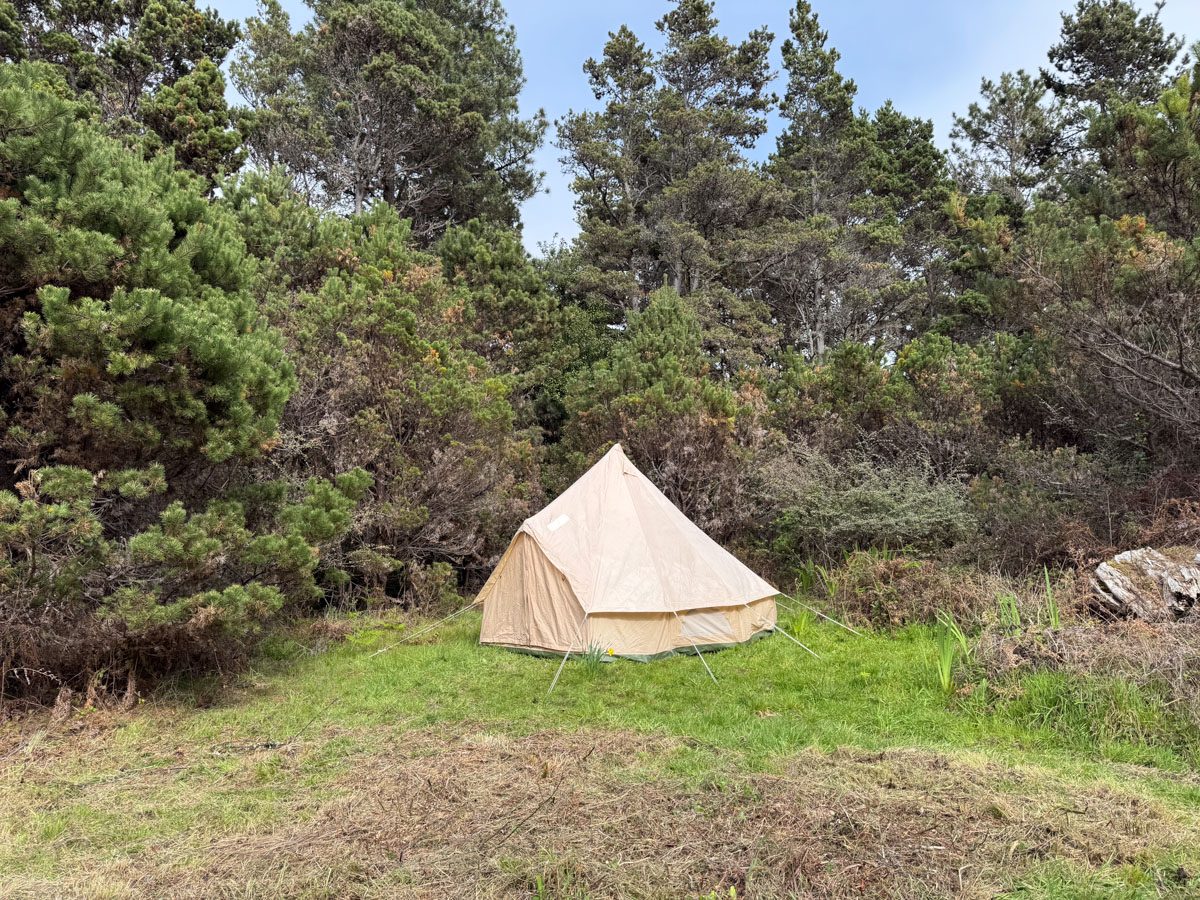
There’s something undeniably sacred about the act of pitching a tent under the open sky, surrounded by the scent of pine, the crackle of a fire, and the hum of crickets. Tent camping strips the experience down to its essential core: the rhythm of nature, the simplicity of shelter, and the raw beauty of the outdoors. It reconnects you with something ancient and instinctive. You’re not just visiting nature, you’re living in it, exposed to its sounds, its moods, and its whims. Morning sunlight filters through the nylon, and the dew on your boots becomes part of the ritual. There’s no thermostat, no flush toilet, no curated amenities, and that’s the point.
Compare that with RV camping, where convenience is king. A cozy bed, a built-in kitchen, sometimes even satellite TV. It’s a rolling home, and for many people, it lowers the barrier to outdoor experiences. RVs make camping more accessible to families with small kids or folks with mobility challenges, and that’s valuable. But there’s a trade-off: by recreating comfort, RVs often create a buffer between us and the wild. They insulate us from the very unpredictability that makes nature so thrilling. And in doing so, some of the magic gets lost. With every added luxury, a little more of the primal experience slips away. The stars look a bit dimmer from a lighted camper window, and the night air smells a little less wild when filtered through an AC vent.
Tent camping, on the other hand, doesn’t let you off the hook so easily. You feel the chill of the night, the dampness of the morning, the wind testing your shelter. And you rise to it. There’s something inherently satisfying about being forced to pay attention to your environment. You scan the horizon for a level site. You tie knots. You strike a match with purpose. It’s not hardship. It’s engagement.
The Cost of Gentrified Camping
Over the years, camping has evolved, and not always for the better. What used to be a rugged rite of passage is increasingly becoming a curated, Instagrammable weekend getaway. Campgrounds now offer Wi-Fi, food trucks, yoga classes, and “glamping” tents with real beds, electricity, and even air-conditioning. Yes, it’s more comfortable. But it’s also more detached. The traditional skills of building a fire, setting up camp, or navigating by map are fading. And along with them, the quiet pride that comes with roughing it.
More troubling still, many campgrounds are shifting their infrastructure to accommodate RVs and larger vehicles. Spacious, shady tent sites are being converted into gravel pads with hookups. Campfires are being replaced with propane grills. Even national parks are feeling the pressure to modernize. The result? The very wildness that makes these places special is slowly being chipped away.
Primitive camping (just you, your gear, and the woods) isn’t always easy. But it’s real. It invites humility, adaptability, and presence. It’s about getting dirty, troubleshooting in the dark, and letting your senses sharpen. There’s immense value in discomfort, in inconvenience. It reminds us of our own resilience. It teaches problem-solving, patience, and creativity. Most of all, it strips away the noise of daily life and leaves you with nothing but your surroundings and your thoughts.
So before you book that plush RV site with the cable hookup and firepit Wi-Fi, consider unrolling a sleeping bag under the stars instead. You might rediscover a part of yourself you didn’t know you’d lost.
The Mental Health Case for Primitive Spaces
There’s a growing body of research that supports what many campers have known instinctively for generations: time in nature heals. And more specifically, immersive, primitive nature experiences, those that lack modern convenience, are uniquely powerful in their mental health benefits.
A 2019 study published in Frontiers in Psychology found that as little as 20 minutes in nature can significantly lower cortisol levels, the body’s primary stress hormone. But more immersive experiences (those without phones, screens, or artificial light) are where the deeper benefits take root. When you’re in a tent, without reception, and the closest thing to a screen is the flicker of a fire, your brain shifts. The noise settles. Attention spans lengthen. Sleep improves. And perhaps most importantly, you begin to feel more present.
Primitive camping removes the digital scaffolding we’ve come to lean on. No more dopamine hits from notifications. No checking email before your feet hit the forest floor. That kind of mental decoupling is rare, and increasingly vital. The modern world is full of overstimulation. Primitive camping offers a mental palate cleanse. A full reset. Even a weekend away, without electricity or a phone signal, can boost your mood, clarity, and sense of calm for days afterward.
Moreover, the mental rewards don’t just come from the stillness. They come from the challenge. Psychologists often talk about “eustress,” a kind of positive, productive stress that builds confidence and capability. Primitive camping introduces eustress in a healthy, manageable way: lighting a fire without lighter fluid, cooking with limited tools, finding your way by map and intuition. These tasks build self-trust. They remind us that we’re capable of far more than our ultra-convenient lives typically demand.
In a culture that often equates well-being with comfort, it’s easy to forget that discomfort is where growth happens. Tent camping doesn’t just offer a break from the world. It offers an opportunity to reconnect with yourself.
Why It’s Worth Reclaiming the Wild
Let’s be honest: primitive camping isn’t for everyone, at least not all the time. There’s value in having options, in making nature more accessible. But we risk losing something precious when we default to convenience. The wild, in its truest form, doesn’t need to be polished or softened. It doesn’t need to cater to our routines. In fact, its greatest power comes from the way it disrupts them.
When you crawl into a tent after a long day of hiking, you’re not just resting, you’re returning. To something primal. To something honest. To a rhythm that’s been humming along long before we invented plumbing and power strips. That’s the joy of tent camping. It doesn’t pretend to be anything other than what it is: raw, real, and wildly restorative.
So bring your sleeping bag. Pack light. Leave the Bluetooth speaker at home. The less you bring, the more space you make: for silence, for clarity, for awe. Because in the quiet corners of a forest or along a starlit bluff, tent zipped shut, you’ll find something RVs can’t offer: the deep, unfiltered magic of being small in a big, beautiful world.